Tractor Buying Guide: What You Must Know
- Tractor Buying Guide: What You Must Know
- 1. Identify Your "Class" of Tractor
- 2. 2026 Technology: What is Worth the Extra Cost?
- Must-Haves
- Nice-to-Haves
- 3. The Power Source: Diesel vs. Electric vs. Methane
- 4. Transmission Types Explained
- 5. Essential Implements Checklist
- 6. Financial Strategy for 2026
- 7. The Final Inspection: Before You Buy
- Summary: Your 2026 Buying Path
Buying a tractor in 2026 is no longer just a mechanical decision; it is a technological investment. With the arrival of Tier 5 emission standards, AI-integrated precision farming, and a surge in alternative fuel models (Methane and Electric), the landscape has changed significantly.
This guide will walk you through the essential factors to ensure your investment yields the highest return for your specific land and needs.
1. Identify Your “Class” of Tractor
The most common mistake is buying a tractor based on horsepower alone. You must consider the frame size and weight, as these determine how much power you can actually put to the ground without spinning your tires.
- Sub-Compact (20–25 HP): Best for 1–5 acres. Ideal for mowing, light gardening, and snow removal.
- Compact (25–50 HP): The “sweet spot” for 5–25 acres. Strong enough for hay baling, heavy loader work, and deep tilling.
- Utility (50–120 HP): For 25+ acres. These are the workhorses for commercial cattle farms and large-scale hay production.
- Row Crop/High HP (150+ HP): Specialized for large-scale industrial farming (corn, wheat, etc.).
2. 2026 Technology: What is Worth the Extra Cost?
In 2026, tractors are “smart” by default. Here is which tech you should pay for and which you can skip.
Must-Haves
- Telematics & Remote Diagnostics: Allows your dealer to see engine fault codes remotely, often fixing software issues without a service call.
- Auto-Steer/GPS Ready: Even for small farms, GPS reduces overlap when seeding or spraying, saving up to 15% on fuel and chemical costs.
- Quick-Hitch Systems: In 2026, manual 3-point hitching is becoming obsolete. A “Quick Hitch” allows you to swap implements in under 60 seconds.
Nice-to-Haves
- Autonomous “Follow-Me” Mode: Some 2026 models can follow you at a walking pace while you pick up stones or move hay—excellent for solo farmers.
- 360-Degree Camera Systems: Vital for safety if you have children or pets on the farm.
3. The Power Source: Diesel vs. Electric vs. Methane
2026 marks a major shift in how tractors are fueled. Your choice depends on your infrastructure.
| Fuel Type | Best For | Pros | Cons |
| Diesel (Tier 5) | All-purpose / Heavy Work | Highest torque; easy to refuel. | High emissions; complex DPF systems. |
| Electric (EV) | Orchards / Indoors | Near-silent; zero local emissions. | 4–6 hour limit; long charge times. |
| Methane (LNG/CNG) | Livestock Farms | Uses farm-produced gas; 30% cheaper. | Requires on-site gas infrastructure. |
4. Transmission Types Explained
How you move the tractor is as important as the engine.
- Manual/Gear: The most durable and cheapest. Best for “set it and forget it” tasks like plowing or long-haul mowing.
- Hydrostatic (HST): Operates like an automatic car with foot pedals. Essential for loader work where you constantly shift between forward and reverse.
- CVT (Continuously Variable): Found in premium 2026 models (like Fendt or Deere’s EVT). It provides infinite speed control and maximum fuel efficiency.
5. Essential Implements Checklist
A tractor is just a rolling engine without attachments. Every new buyer should budget for these four first:
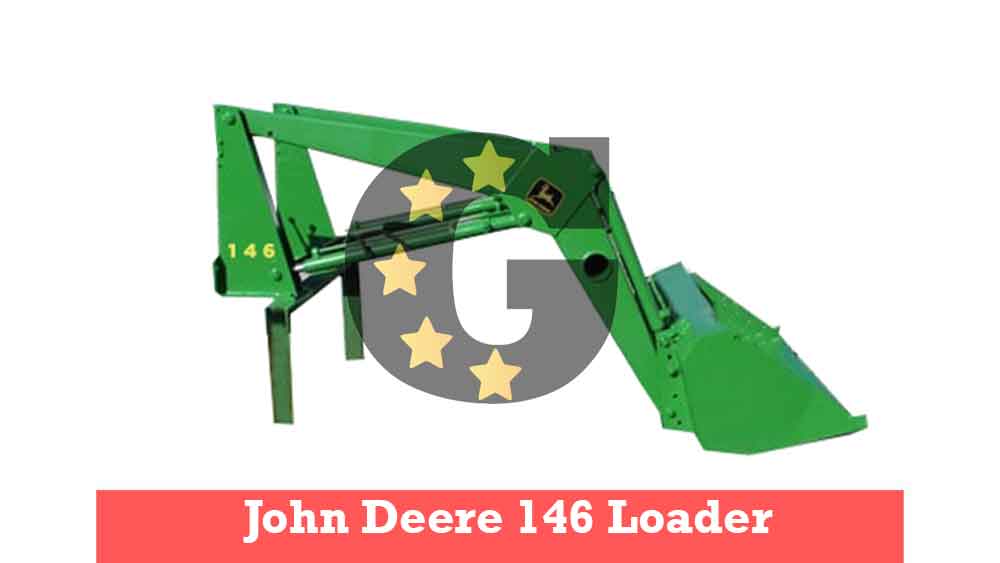
- Front-End Loader (FEL): If you only buy one, make it this. For lifting, moving, and scraping.
- Rotary Cutter (Brush Hog): For keeping pastures and rough areas from turning into forests.
- Box Blade: The ultimate tool for maintaining gravel driveways and leveling land.
- Pallet Forks: You will be surprised how often you need to move heavy items delivered on pallets.
6. Financial Strategy for 2026
With interest rates stabilizing in 2026, the “New vs. Used” debate has a clear winner.
- The 0% Trap: Many manufacturers (New Holland, TYM, Kubota) offer 0% APR for up to 84 months in 2026. Because used tractors often carry 7-9% interest, a new tractor with a warranty often has a lower monthly payment than a 5-year-old used one.
- Section 179 Tax Deduction: In many regions (like the US), you can deduct the full purchase price of the tractor from your taxes in the first year. Consult your accountant—this can effectively “discount” the tractor by 20-30%.
7. The Final Inspection: Before You Buy
- Dealer Proximity: Do not buy a brand whose nearest dealer is 3 hours away. When a hose bursts in harvest season, you need a local partner.
- Operator Comfort: In 2026, ergonomic “Command Centers” are standard. Sit in the cab for 15 minutes—if the levers aren’t intuitive, you’ll regret it after an 8-hour day.
- Resale Value: John Deere and Kubota historically hold the highest resale value, but brands like Mahindra and Kioti offer more raw features for a lower initial price.
Summary: Your 2026 Buying Path
- Step 1: Calculate your heaviest task (usually lifting a hay bale or tilling).
- Step 2: Choose a weight class, not just a HP rating.
- Step 3: Prioritize the dealer over the color of the paint.
- Step 4: Leverage 0% financing and tax incentives to preserve your cash flow.
The Golden Rule of 2026: Never buy a tractor that is “just enough” for today. Buy the tractor you will need three years from now as your farm grows.